
Ecosystem trends are shaping today’s business world in ways that few companies can afford to overlook. At the heart of almost every activity is a steady flow of resources, whether it’s clean water for a production line or metals for the smartphone in your pocket. Unfortunately, cities are sprawling, forests are shrinking, and a changing climate is upsetting long-held patterns of rainfall and temperature. When these systems strain, prices jump, supply falters, and profit plans get derailed.
It doesn’t matter whether you oversee a bustling factory, run a neighborhood café, or tend a small orchard; the health of the planet’s web of life will eventually find its way to your ledger. In the paragraphs that follow, we highlight pivotal ecosystem shifts—like shrinking aquifers and nutrient floods—and outline practical steps companies can take to turn potential risks into new markets and stronger brands.
WATER SCARCITY
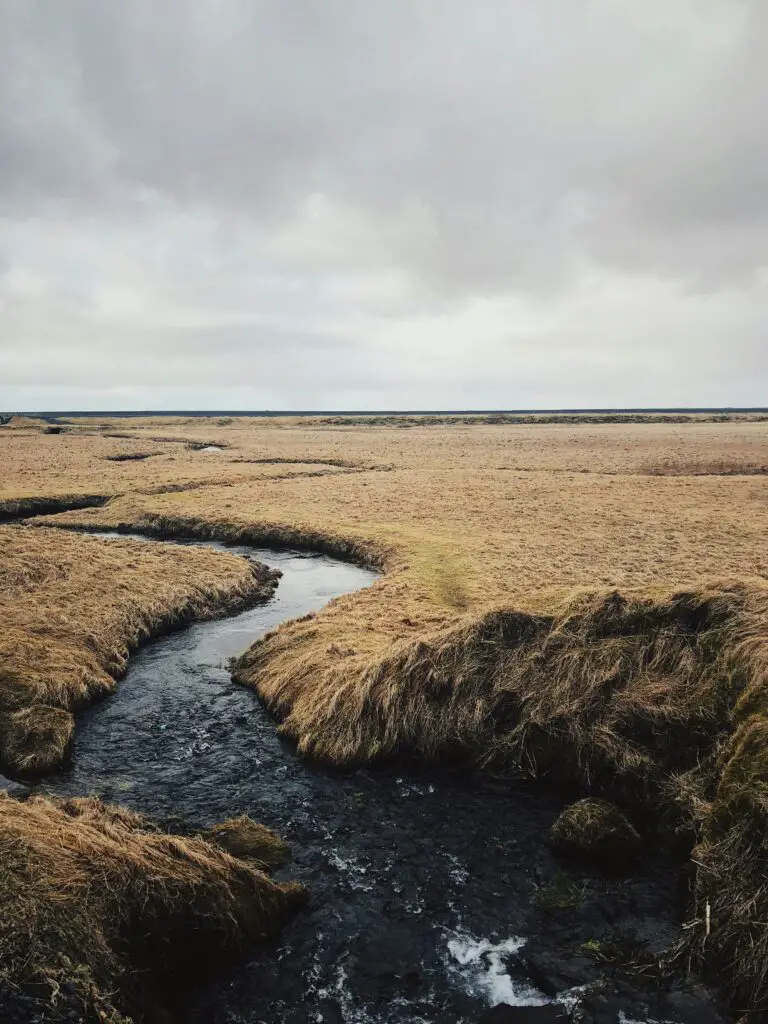
Water scarcity stands out as one of business’s most pressing headaches. From rinsing parts to nurturing crops, fresh water sits at the center of a vast number of operations. With population growth and a warming planet pushing demand ever higher, industries, farmers, and households are now wrestling for every drop.
Impacts on Business
- Rising Operational Costs: When water is scarce, its price goes up. That adds to the daily bills for food processors, electronics-makers, and power plants, pushing profit margins down.
- Policy Restrictions: To protect supplies, governments may set quotas or limit how much water companies can take from rivers and wells. Sudden rules like these can stall new factories or force cuts in output.
- Reputation and Brand Image: Today, shoppers and investors pay close attention to a firm’s water habits. A history of waste can undermine trust and burnish rivals seen as responsible.
Strategies for Mitigation
- Invest in Water-Efficient Technologies: Upgrading to recycling plants, drip lines, and rooftop tanks can slash annual intake and pay for themselves over time.
- Collaborate on Water Stewardship: Teaming with NGOs or neighbors to restore forests and wetlands secures local water and shows customers the firm cares.
- Embrace Monitoring and Reporting: Posting honest water data online not only keeps the public informed but also spots leaks and reveals savings from new tools.
Climate Change
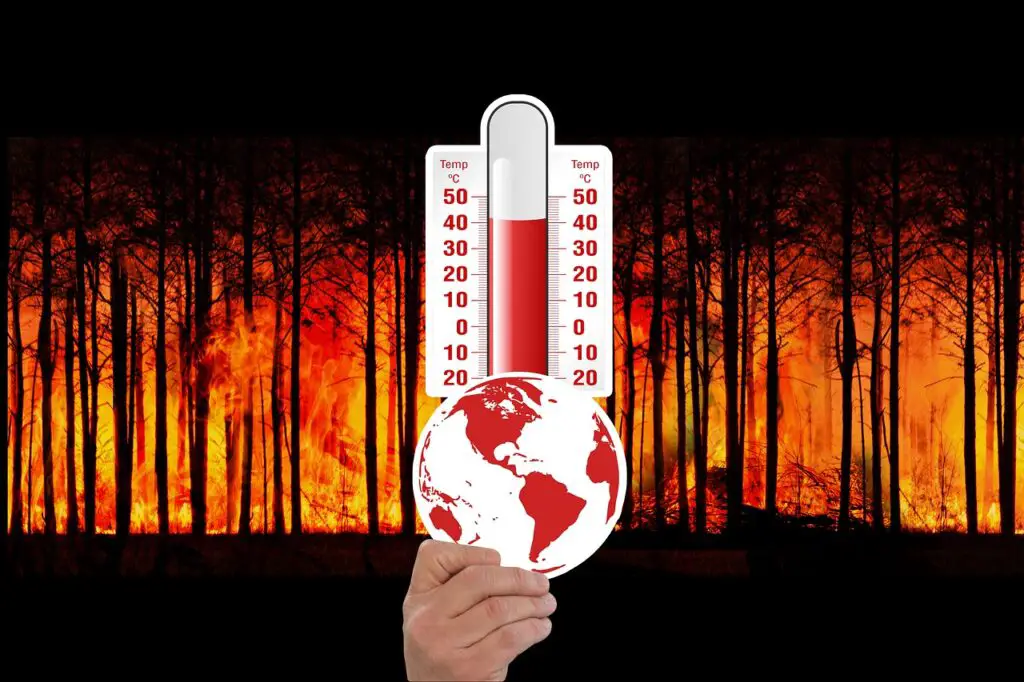
Climate change is no longer a distant risk—it’s a pressing reality affecting everything from commodity prices to the reliability of supply chains. Warmer temperatures, shifting rainfall patterns, and extreme weather events challenge both producers and consumers around the globe.
Shifting Climate Patterns
Droughts and heat-waves are turning up more often, which can knock farm output sideways and leave food, drink, and other big crop buyers facing wild price swings. Rain also keeps changing: some places drown in downpours while their neighbors sit parched, and that uneven flow raises the odds of busted roads, bridges, and tangled supply chains.
Business Implications
With weather secrets harder to read, lenders and insurers are rewriting their rule books, so firms heavy on carbon may find capital costs climbing. A flood, hurricane, or wildfire hundreds of miles away can halt shipments, scramble production schedules, and squeeze profit margins told through seconds. To top it off, new carbon levies, trading schemes, and lower-emissions orders keep shifting the math behind moving and making goods.
Habitat Changes
Ecosystems from forests to wetlands are still cleared for farms, new homes, and roads, and although that growth looks good now it chips away at pollinators, soil health, and flood buffers we all need.
Land Conversion and Urbanization
- Fields, woods, and empty lots seen as rural are rapidly stripped for food crops, minerals, or more housing, leaving fewer natural shields to guard factories and neighborhoods when harsh weather strikes.
- Diverging regional patterns: In high-income countries, tree cover is slowly bouncing back thanks to planting schemes, but many poorer places are still losing forests at breakneck speed.
Potential Business Consequences
- Material shortages: Fewer trees mean less timber and pulp, while land switched from forest to grass shrinks the grazing land cattle need.
- Community conflicts: Villagers who depend on woods or fish can push back against new mines or plantations, dragging companies into costly legal battles and damaging their public image.
Biodiversity and Invasive Species
Natural variety gives us foods, medicines, and backup when ecosystems fail, yet modern pressures are pushing extinction faster than ever, and invasive outsiders now cost both nature and business billions each year.
Declining Species Populations
- Reduced genetic bank: Farmers, landscapers, and drug makers rely on many wild species to breed hardier crops or find new medicines, so losing them shrinks the climate toolbox.
- Disrupted natural processes: When pollinators disappear, fruit and nut harvests drop, profits tumble, and whole diets suddenly feel smaller.
Growing Threat of Invasive Species
- Trade and travel: Planes and ships carry unwanted plants and pests that hog resources and beat locals in the survival race.
- Cleanup costs: Battling a takeover eats up cash and time, forcing companies or governments to redo landscaping, spray toxins, or replace lost revenue streams.
Overexploited Oceans
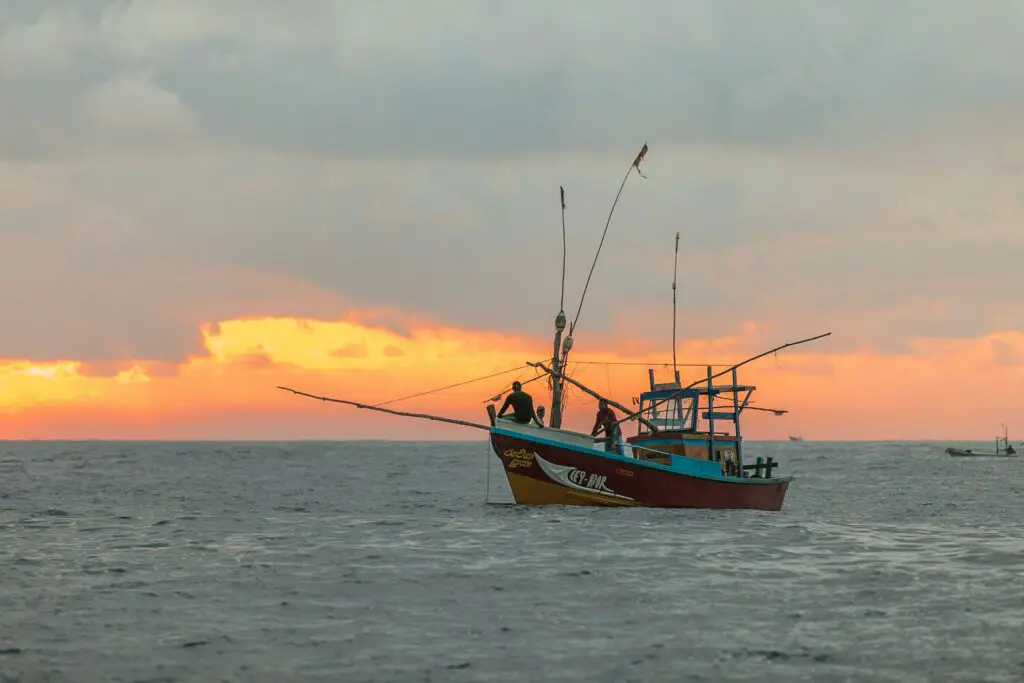
The oceans have never been under so much pressure. New sonar, bigger nets, and factory trawlers let fleets fish deeper and farther than ever before. While enough fish to fill cargo ships may still swim into nets, entire populations are being pushed close to collapse. Coastal construction, plastic waste, and warming waters make matters even worse for fragile reefs and nursery grounds.
Declining Fish Stocks
When the catch drops, everyone downstream of the docks feels it. Processors, restaurants, and supermarkets that rely on fresh seafood suddenly face empty freezers and skyrocketing prices. Fish farms that use meal or oil from wild catches may also struggle, tipping supply chains into chaos. A handful of hasty harvests have already shown how quickly jobs vanish and small communities lose their main income when a single fishery collapses.
Repercussions for Other Sectors
Worn reefs shade beaches, and murky channels litter resorts. Tourists skip destinations characterized by snorkeling, diving, or simply looking at long, colorful reefs. Operators lose bookings, workers lose salaries, and the local economy shrinks. Meanwhile, battered shorelines from storm surge and rising sea levels tear into house foundations. Buildings left standing are soon haunted by steep-insurance notices, draining cash from homeowners and lenders alike.
Nutrient Overloading
Farming feeds the world, yet the fertilizer used to boost crops now feeds oceans in a different way. Nitrogen and phosphorus stream from river mouths, hitching rides on runoff from fields, roads, and cities. When these nutrients converge, algae explode in thick mats. The blooms block sunlight and, when they die, decompose, sucking away oxygen and leaving behind so-called dead zones where few creatures can live.
Causes of Eutrophication
Industrial farms often apply lightning-quick doses of nitrogen-heavy fertilizers, hoping to multiply yields with every growing season. The remainder washes off and drifts into nearby streams. Newly sprawling cities keep pouring richer sewage into rivers, roofs, and gutters—barely treated before it flows into the sea. Equipment fails, budgets run dry, and legislation lags behind population growth. All of these leaks slowly convert rivers and bays from heading places for life into harsh wrought irons for tomorrow’s fish catch.
Potential Solutions
- Precision agriculture: Farmers can now use GPS-guided tractors, drip irrigation lines, and smart soil sensors to spread fertili-zers exactly where plants need them, cutting waste and pollution.
- Upgraded wastewater management: Cities and factories that install modern treatment plants and nutrient-recovery tech can sharply reduce the nutrients that flow into rivers and coastal waters.
Conclusion
Global business is already feeling the pinch from water shortages, climate swings, habitat loss, invasive species, depleted oceans, and nutrient overload. To thrive in the next twenty years, companies will need an integrated, inventive plan for using—and protecting—every resource they rely on. That might mean pouring dollars into research for leaner production, teaming with neighbors to restore local watersheds, or adopting clear reporting that proves to investors, customers, and staff just how serious they are about the planet.
Firms that notice these trends and change their business model today can do more than dodge rising costs and tougher rules; they can capture fresh markets for green tech, burnish their brand, and shield supply chains from mounting shocks. A forward-thinking, eco-friendly stance often turns into a lasting edge in a fair-head-in-techpace business world.
