
Desertification is frequently portrayed as a quiet, creeping emergency that steadily expands across dry and semidry areas, transforming once-productive soils into lifeless expanses. Yet, a closer look reveals that this process is more than a local hardship; it intertwines with our collective ability to withstand climate shocks, hunger, and deepening poverty. At the heart of the issue are the links between land degradation, the services that ecosystems provide, and the everyday well-being of people. These links bind the output of arid landscapes, the survival strategies of nearby communities, and the food and security of billions who live thousands of kilometers away.
Put simply, the consequences of desertification travel far beyond the edge of the affected land. Families at the epicenter see harvests shrink and herds dwindle, while urban residents far uplift feel the secondary impacts. Dust clouds sweep into distant cities, migration corridors open as hope fades, and tighter world food markets raise prices for everyone. Contemporary discussions on the topic spotlight the drivers-water shortages, declining cover, soil loss, and extractive land use-alongside their capacity to deepen poverty, widen inequality, and reduce the resilience of the most vulnerable communities.
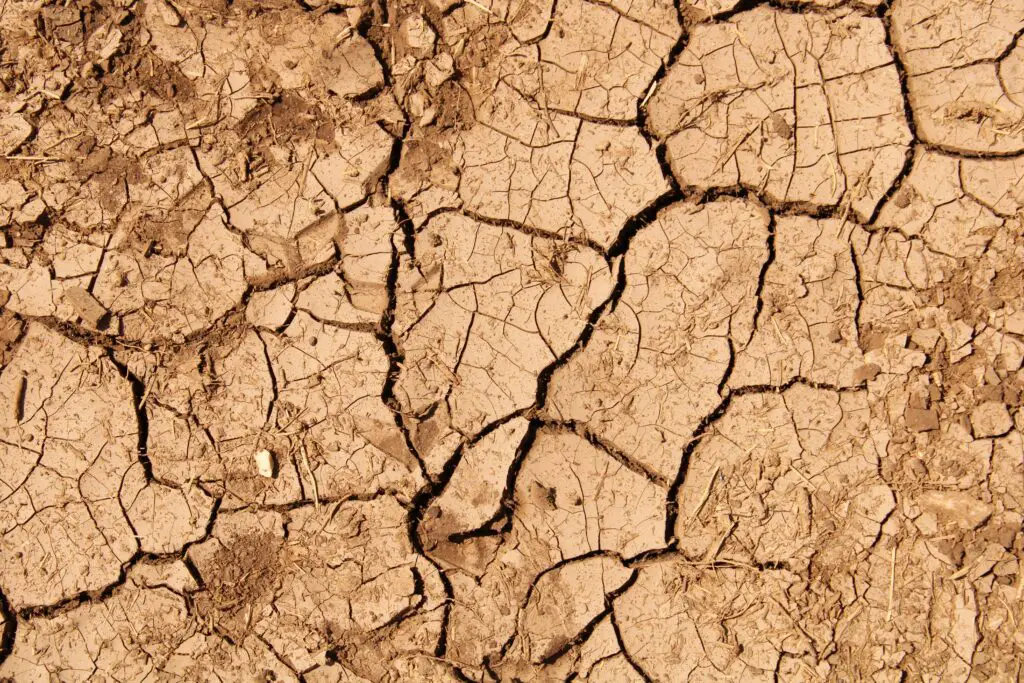
This article examines the relationship between desertification, ecosystem services, and human well-being both inside and outside arid regions. It focuses on what researchers refer to as a persistent decline in these services, details the hardships that follow for affected communities, and considers the implications for global policy and sustainability.
Understanding Ecosystem Services
Ecosystem services are the wide range of benefits-nvisible and visible-that natural environments deliver to people and societies. While crops, clean water, and timber come to mind quickly, the web of services extends much further to support everyday life.
Four Main Categories of Ecosystem Services
- Provisioning Services: This group covers food-crops, livestock, fish-fiber for clothing and shelter, and fresh water. Drylands alone supply a large share of the worlds cereals, pulses, and animal products.
- Regulating Services: In arid areas, scattered vegetation slows wind and run-off, protecting soil from deep erosion. Plants also help to cool the ground, showing how ground cover can ease daily temperature swings.
- Cultural Services: Dryland regions boast distinctive scenery and deep-rooted traditions shaped by sparse water and extreme temperatures. Many local groups hold the soil, rocks, and scattered oases sacred, weaving these landscapes into their songs, rituals, and historical narratives. Such spiritual bonds give people a sense of belonging and continuity, reinforcing their cultural identity while guiding how they care for the land.
- Supporting Services: Supporting services keep the planet habitable by recycling nutrients, forming soil, and producing energy through photosynthesis. In drylands, the slow accumulation of topsoil is especially vital; it stores moisture, shelters seeds, and feeds both wild plants and domesticated crops grazed by livestock. Because evaporation and erosion are fierce, even small gains in soil depth can tip the balance between marginal harvests and empty fields.
These service categories are never truly separate; they weave together in everyday ecological feedbacks. When rainfall falls short, leaves and roots wither, organic material decays more slowly, and soil bacteria dwindle. That loss weakens nutrient cycling, further stunts vegetation, and erodes the precious seed bank. Unless communities invest in water catchments, shade cover, or rotational grazing, the spiral deepens until once productive land resembles shifting sand.
Desertification and Its Impact on Ecosystem Services.
Desertification occurs when chronic drought, over-grazing, and careless ploughing combine to undermine landscapes for decades. In drylands variability is normal; years of lean rainfall happen nearly every generation. Villagers expect some years of low yield yet retain hope of recovery. True desertification strips that hope away, trapping the ecosystem in a low-energy state that does not bounce back even when rains return.
Desertification as a “Persistent Reduction”
- Declining Soil Fertility: Grazing livestock, repeated ploughing, and bare ground all weaken soil. When nutrients run low and the top layer washes away, the remaining earth hardens and loses nearly all its life-giving power.
- Reduced Vegetation Cover: Damage shows up when familiar plants disappear or are replaced. Dense grasslands may gradually shift to patchy scrub; each step cuts hay for animals, shrinks wildlife, and leaves soil even more open to wind and rain.
- Erosion and Dust: Weak roots fail to anchor soil, letting gusts and storms lift fine grains for miles. Dust clouds from dying fields drift worldwide: Gobi storms fly to North America, while Saharan particles land in Europe and the Caribbean.
- Overexploitation of Water: When wells and rivers are drained for farms and homes, dry land spreads faster. A once-empty aquifer can take hundreds of years to refill. Meanwhile, salty residue from careless irrigation turns good soil into permanent wasteland.
When these biological and climatic elements interact, they form a self-perpetuating cycle of decline. Erosion strips away the topsoil, exposing lighter sub-soils that raise the ground’s reflectivity, or albedo. This change can shift local energy balances in ways that reduce rainfall, shorten growing seasons, and gradually turn semi-arid landscapes into hyper-arid deserts.
Ecosystem Services and Human Well-Being: The Critical Links
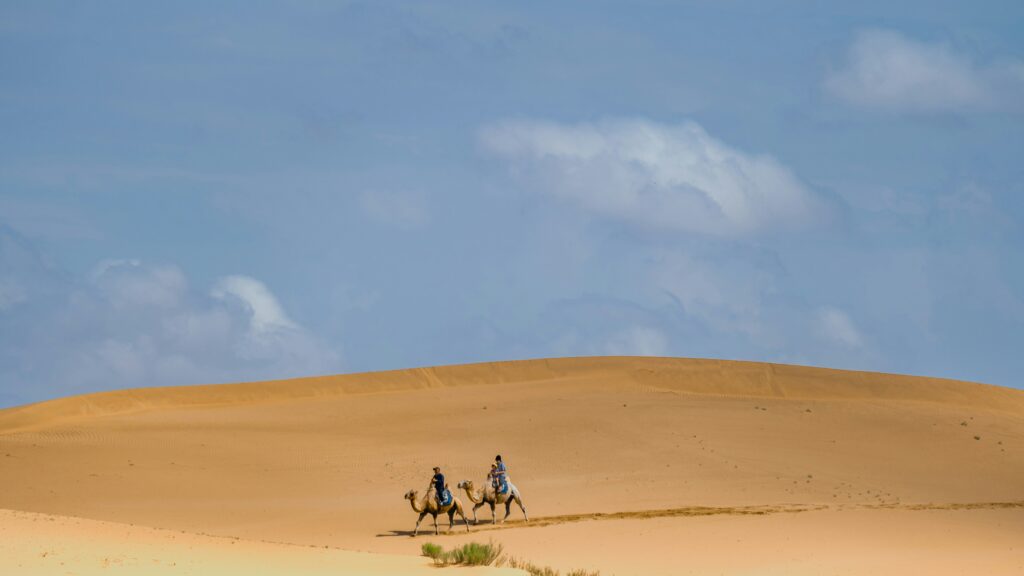
Everyday life in drylands rides on the health of their ecosystems. People depend on plants for food, on underground reserves for drinking water, and on the land itself for timber, fibre, and cultural identity. When these natural services falter, entire communities tumble deeper into poverty, face empty larders, and struggle to recover from preventable illnesses.
The Role of Poverty
- Economic Limitations: Households in dry zones start with narrow financial margins, so climate shocks strain them instantly. After a drought or a bout of sandstorms, borrowing money to buy seed or fertilizer is rarely an option. Instead, many families retreat to subsistence strategies that feed neither them nor the soil.
- Population Pressure: Rapid population growth compounds the stress. As more children drink from the same well and graze livestock on the same pasture, nutrients vanish long before they can be replaced. Absent targeted education, health services, and infrastructure investments, short-term survival drives people to over-till, over-graze, and gradually impoverish the land they depend on.
- Health and Nutrition. Falling soil fertility often translates into smaller harvests and less-varied meals. Consequently, communities may witness a sharp rise in malnutrition, with infants, toddlers, and pregnant women bearing the heaviest burden.
The Cycle of Vulnerability
- Migration. When farmland turns to dust, families often leave behind once-thriving fields in search of work on crowded city streets. This movement can overload urban utilities, push up rents, and sometimes fan the flames of local political disputes.
- Health Risks from Dust. Violent sandstorms sweep in, dragging microbes and chemical debris along. Clinics already stretched thin then treat a surge of wheezing patients, sore eyes, and motorists blindsided by swirling grit.
- Loss of Cultural Identity. Many pastoral groups survive by moving livestock between grasslands; when those routes disappear, they abandon generations of knowledge. The result is not simply an economic void but a rupture in storytelling, rituals, and shared memory that new generations struggle to replace.
Viewed through a broader economic lens, desertification has ripple effects that reach national and international markets for food and water. A significant drop in staple crops from semiarid countries, for example, can push cereal prices upward on global exchanges, raising costs for consumers far from the affected fields. At the same time, carbon and methane released by eroded soils add volume to the atmospheric greenhouse gases that drive climate impacts everywhere. Together, these mechanisms demonstrate that the health of arid landscapes is no longer an isolated local concern, but a shared element of global sustainability.
Prevention and Intervention Strategies
Although the outlook may seem bleak, a suite of targeted, anticipatory measures can still reverse momentum:
- Integrated land-and-water management combines terracing, controlled grazing, and drip irrigation to slow erosion while maximizing soil moisture. By capturing runoff from brief, intense storms and moving it slowly through the landscape, households create a living reservoir that sustains crops in lean months.
- When communities themselves determine the rules of stewardship, compliance improves and long-term results follow. Many pastoral groups have historically guided livestock through a rotating sequence of pastures, letting battered ground recover between grazings. Re-empowering these customary systems can rebuild vegetation rapidly, often at modest cost.
- Diversification also proves crucial. Under shaded netting, fish farming now flourishes in some sandy desert fringes, while commercial harvesting of drought-adapted herbs opens lucrative export channels. By providing alternatives that ease financial pressure on marginal cropland, such ventures buy time for degraded soils to regain fertility.
- Policy and Global Cooperation: Efforts to curb desertification will falter without policies that secure land tenure, create fair crop pricing, and reward sustainable practices. International accords then channel research money, technology, and aid toward the regions that climate extremes threaten most.
Looking Ahead
The march of desertification reveals how fragile ecosystems become when human demands exceed their natural limits. A firm grasp of its causes shows why healthy ecosystem services must keep drylands productive and able to feed surrounding communities. As arid zones creep outward, the truth grows clearer: local sustainability underpins global well-being.
Dryland landscapes may look empty, yet more than two billion people-one-third of humanity-make their homes there, mastering erratic rains and extreme heat. Their time-tested strategies illustrate that conservation, community control, and market incentives must work together if degradation is to stop.
Better science, dependable data, and steady long-term observation give researchers and policy-makers the tools to pinpoint the worst-hit areas and choose effective cures. Confronting desertification in turn secures wider gains by stabilizing harvests, cutting dust storms, protecting species, and softening climate impacts.
Recognising how ecosystem services link directly to human livelihoods gives researchers and policymakers a stronger lens for tackling desertification while advancing sustainable development. Progress depends on forward-looking policies, creative technologies, and a revitalised, equitable commitment to sharing natural resources. If we stick to routine practices, the scars of desertification will set in further, threatening both local populations and global systems. Yet, with focused and timely action, we can build dryland landscapes that are resilient, thriving, and able to support future generations.
