
Switching to cleaner forms of energy is no longer just a catchy slogan; it has become something almost everyone agrees we need to do. Communities of all sizes now understand that sticking to coal, oil, and natural gas will keep money flowing out of budgets and poison the air and water for years to come. As worries about climate change climb higher, folks are searching for honest, everyday options that slice carbon emissions without making life harder. Renewable power—think wind farms, rooftop solar, and big hydro-dams—keeps popping up because, on paper, it looks far friendlier than burning fossil fuels. Still, the journey from an empty field to spinning turbine or endless solar panel grids is anything but simple, and there are plenty of knots to untangle before the lights stay on. Road trips for equipment, the heavy metals needed for batteries, and even the welding fumes in the factory all sneak extra carbon into the mix long before a kilowatt-hour is sold. Many of us picture a solar array and only consider the sunshine-to-electricity dance; the full story stretches back to mining, shipping, and assembly. Your own office reveals the same truth: every chair, switch, and power cord carries a little baggage no one sees at first. The same holds for green energy projects—they come with their own invisible footprints that deserve a closer look.
When we see how green power affects everything around us, we start thinking in bigger terms. That deeper look helps companies and everyday people choose cleaner options that truly matter.
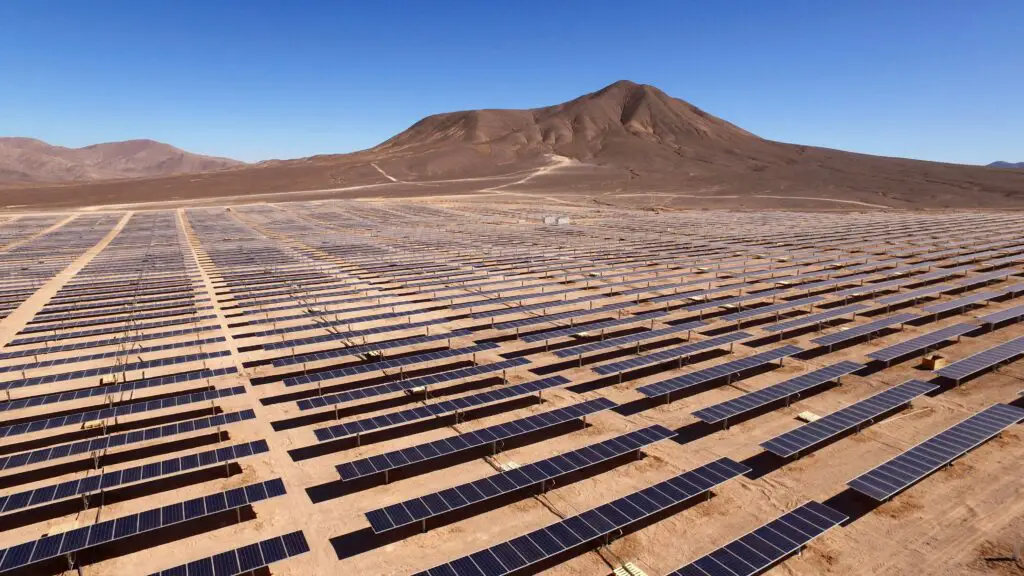
Intro to Life-Cycle Emissions in Renewable Energy
Life-cycle emissions look at the carbon footprint of a renewable energy system from start to finish. That means tracking every ounce of greenhouse gas released, whether taking raw materials out of the ground, building the gear, running it for decades, or finally tearing it down and throwing it away. Even though most people cheer for wind and solar panels because they hum along silence, the journey those pieces take before and after power production hides extra carbon costs that shouldnt be brushed aside. Rare metals are mined, special chemicals are cooked up, and every step can puff out pollution especially if old, dirty machines do the heavy lifting. Factories that bolt the components together matter, too. If they burn coal or other brown fuels, the clean image of a panel or a turbine can lose a chunk of its shine. Its like heading out on a camping trip with the hottest camping stove money can buy: the grill looks great, but if the van burns oil for half of the drive, dinner will cost more gas than you planned. A full life-cycle look gives business leaders, policymakers, and even weekend eco-warriors a no-nonsense view of how green their choices really are.
Labeling wind or solar as “clean” misses a big piece of the story if making, shipping, and setting up those systems burns a mountain of fossil fuels first. Knowing this fuller picture doesn’t make renewables look bad, though; it simply shows where factories, ships, and crews can do better so that the green promise stays real. That way, each new project adds up honestly in the carbon ledger and the world stays focused on steady, fair progress.
Raw Materials and Manufacturing Footprints
Solar panels, wind-turbine blades, and other green gadgets dont just appear out of nowhere. Every piece needs special materials, many of which travel long distances and demand a lot of energy to pull from the ground. Aluminum and steel show up nearly everywhere in these products, while silicon sits at the heart of most solar cells. Collecting those metals often means mining that can shake up local wildlife and even cloud nearby water, and thats just the start of the environmental toll. Big excavators and trucks burn fuel around the clock, so the energy budget climbs fast. Manufacturing adds another layer. Gigantic plants, usually parked in old industrial towns, suck down power to keep the conveyor belts moving. If the factory connects to a grid full of coal plants, the carbon score of making a single panel or blade can tick up more than we imagine. Working with high-tech parts also means handling chemicals that can be dangerous, raising real worries for both factory crews and anyone living nearby. Even so, cleaner options are on the table. New green factories that run on their own rooftop solar farms or small wind-turbine fleets let manufacturers chop emissions at the source.
Also, using scrap metal or recycling leftover bits helps cut the total carbon released during production. When we pay attention to where these supplies come from and how they are turned into new products, we move renewable energy closer to a low-carbon or even net-zero future.
Transport and Construction Impacts
After steel and other materials are pressed, bent, and welded into panels, blades, and turbines, they still need a long-haul ticket to the site where they will spin in the wind. That usually starts with a crowded container ship burning diesel for days, then segues to big trucks lumbering across entire countries. Every leg of the trip tacks more carbon onto the equation, and the total climbs quickly when parts hop from boat to train to trailer, because each transfer burns extra fuel. Weather adds an unpredictable layer; a storm or freezing rain can delay loading or slow highways, shoving emissions even higher. Once everything finally arrives, the real heavy lifting begins. Gargantuan turbine sections often demand cranes so tall they need their own power line reroute, and fragile roads sometimes have to be carved out of fresh earth just to give the vehicles room. A jangled supply chain stacked with these delays can create temporary energy spikes that swallow up much of the clean gain people expect from renewables. As projects multiply around the world, those hidden numbers grow too, making the case for smarter planning all the more urgent. The good news is that local factories, team work, and careful route maps can trim the voyage. Build a turbine in a coastal shop next to the port instead of overseas, for instance, and the factory-to-field drive shrinks to a single short ferry hop.
Electric vans and bikes are now zooming down city streets, and this trend is turning into a favorite choice for last-mile delivery in many places. By cutting the emissions from travel and by improving how we build things, we help guarantee that after a solar farm or wind park is up and running, it won’t come with a secret load of extra carbon miles in its back pocket.
Operational Emissions and Low-Carbon Advantages
When we talk about clean energy, we usually focus on how wind and solar work while they are in use, and that everyday picture tells a powerful story. Wind turbines catch the breeze, spin their blades, and send electrons down the wire, all with a gentle whoosh and zero carbon pouring into the air. Solar panels do the same with sunlight—no noise, no fumes, just sunlight turned straight into clean power. In those hours of operation, renewables look like the heroes we imagine when we dream of a greener future. By comparison, every minute that a gas plant or a coal unit runs, smoke stacks are pumping carbon, sulfur, and other toxins skyward. Small wonder, then, that towns, cities, and entire countries are trading fossil plants for fields of solar panels and rows of windmills. The low-carbon edge becomes plain as day when you add up a few gigawatts from panels and turbines and watch whole coal fleets get switched off for good. Still, tiny doses of emissions can sneak in from time to time. Biomass burners using farm waste, for instance, may let out a trace of methane, and geothermal projects can pull a whiff of underground gases to the surface. Those drips are nothing compared to a fully loaded fossil plant, yet they show that zero emissions is still a moving target. Good maintenance, smart battery backs, and finely tuned grids catch most leaks and keep operational footprints as small as possible.
Over time, tweaks in turbine blade shape, special coatings on solar panels, and smarter control software keep nudging efficiency up. As engineers fine-tune these pieces, the everyday world of large wind farms and solar parks shows that meeting big energy demands doesnt have to gamble away the planets future.
Maintenance Factors and Performance Optimization
Once a wind farm or solar field starts pouring power into the grid, ongoing care still matters for squeezing every last watt and keeping efficiency steady. Wind turbines call for regular check-ups to catch tiny cracks in their massive blades, while solar panels need rinsing now and then to wipe off dust or bird droppings that block sunlight. Cleaning sounds simple enough, yet the jobs can chew up time and money, especially on mega-installations. A solar array stretching across dozens of football fields, for example, might rely on thirsty scrubbers or high-tech drones that zip overhead for routine scans. If water has to be trucked in because the site is too remote, that adds another wrinkle to the plan. In a way, it mirrors car care; regular oil changes, tire rotations, and a wiper-blade wipe protect the vehicle and help it last longer, but every service also leaves a small environmental mark.
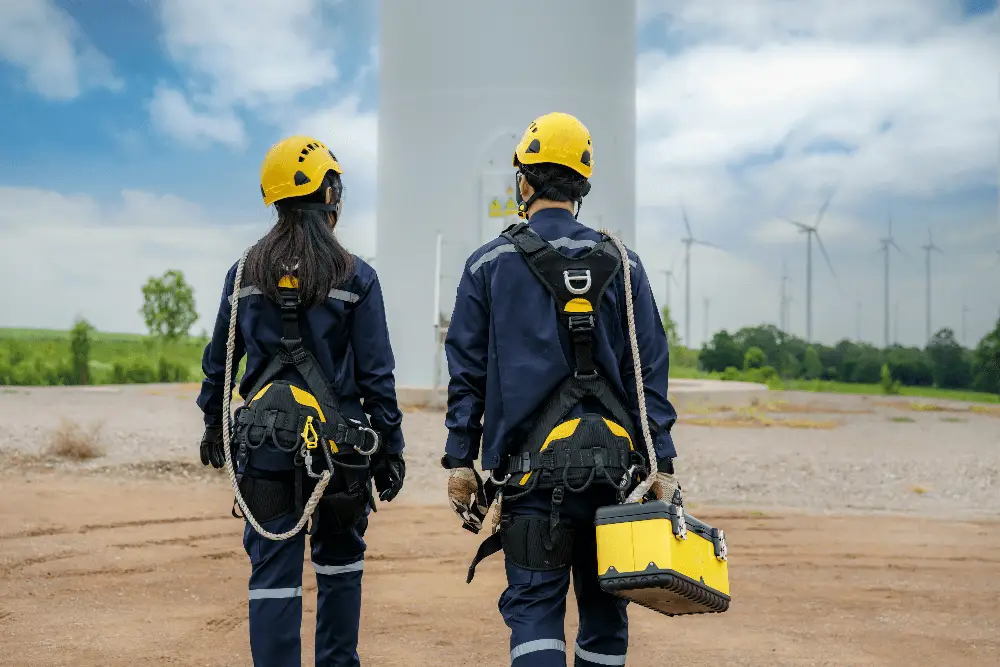
Little fixes and swapping out tired parts add fresh materials, each with its own hidden emissions.Most operators are now trying high-tech tweaks, like robotic cleaners that run on the same solar panels they scour.Predictive maintenance ticks up another notch; sensors hand real-time data to smart algorithms that warn of failing pieces before they quit. By chasing fixes at the right moment, owners dodge costly emergency repairs and cut the extra emissions they drag along. This layered focus on keeping everything running doesn’t just trim the carbon bill; it also makes sure renewable systems pay back every dollar and every bit of effort, cementing their spot as a cornerstone of tomorrow’s energy world.
End-of-Life Management and Recycling
Nothing lasts forever, and renewable energy gear is no exception. When a wind turbine or a field of solar panels reaches retirement, owners are left wondering how to handle the leftover parts. Some pieces can be cleaned up, refurbished, or recycled, which helps recover at least a chunk of the carbon released when they were first built. The aluminum frames on most solar panels, for example, can be melted down and turned into new products if they are carefully taken apart. Certain small electronic components, meanwhile, are either reused in fresh equipment or sent to smelters. Not every material is simple to work with, though. Wind-turbine blades are made from tough fiberglass and resin, and their long, curved shape makes it hard to chop them up in a way that keeps costs low. Because of that, some older panels and even entire blades still wind up in landfills when local recycling options are scarce or simply too pricey.
Boosting circular-economy practices tackles waste issues directly. When makers think about a product’s future while designing it, they cut the chance that valuable materials will sit unused for decades. Planning ahead often means building devices that come apart easily and using metals or plastics that separate cleanly. Partnering with recycling centers also matters; many facilities prefer to sell or reuse parts rather than simply throw them away. Strong end-of-life plans complete the renewable-energy circle, showing that going green doesn’t have to end with mountains of trash. By watching how tech leaves the field, we can limit its footprint and stay on track for the cleaner, more sustainable world promised by greener energy.
Emerging Technologies and Future Trends
Think of the growth of clean energy like a wave that never stops rolling: always moving forward and gathering strength. Lately, exciting new ideas keep popping up. Perovskite solar cells, for example, could soon outshine regular panels by turning more sunlight into power. At the same time, floating wind farms are popping up beyond the shoreline, where gusty ocean breezes beat inland winds and land use headaches vanish. Fresh storage links, including next-gen batteries and hydrogen fuel cells, promise to smooth the lulls after the sun sinks or the breeze drops, giving homes and factories steadier light and heat. Yet every bright concept brings real-world choices about materials and manufacture. Many battery mixes still tap rare or dispersed minerals, and mining them often leaves a tangled trail. Green hydrogen also looks great on paper, but makers still need to watch the energy bill til it arrives from solar or wind.
Digital tools are getting smarter, and theyre changing the way we watch over power grids. Thanks to artificial intelligence and real-time data, system operators can spot when demand will spike and redirect energy where its needed most, cutting back on waste and still keeping the lights on everywhere. Its a big step, kind of like trading a flip phone for a modern smartphone: suddenly, you gain apps, maps, and powerful extras that make everyday life easier. As these upgrades become the standard, they should push clean energy efficiency even higher while pulling costs down, opening the door to solar panels on city rooftops, wind turbines on lonely hills, and small turbines on distant farms.
Policy Initiatives and Consumer Engagement
Across the globe, governments are beginning to see that moving to renewable energy is about more than helping the planet; it is also a smart way to strengthen energy supplies and boost the economy. To make the switch easier, they offer incentives such as tax credits, feed-in tariffs, and low-interest loans that help homeowners, businesses, and utilities pay for cleaner power projects. These programs not only speed up installations but also encourage factories and suppliers to adopt greener practices. At the same time, tougher rules on emissions and waste gently, or sometimes forcefully, urge builders and designers to think about a products entire life-cycle before breaking ground. Still, good laws will lose their power if they are not matched by informed, involved consumers. If people buy solar panels for the savings alone while ignoring where the materials came from or how the cells were manufactured, the entire green promise is weakened.
Grassroots groups, local energy projects, and social media campaigns have shown they can teach people about the hidden journey of renewable devices. When someone has that light-bulb moment-learning that a products backstory affects its total footprint-they shop more carefully and push for clearer, cleaner practices. In fact, some neighbors team up to build shared solar or wind farms, splitting costs and gains while insisting on high quality. Taken together, this mix of government rules and community action can reshape how we produce, use, and finally recycle energy tech, so every step supports real sustainability.
Practical Steps for Reducing Total Carbon Footprint
Companies worried about their climate impact have real options to cut emissions across every layer of their business. One smart move is to buy metals and other raw goods from certified low-impact mines or clean recycling centers; that way, the carbon cost starts low. In the plant, switching to renewable power-blink between partial and full use-ensures that wind-turbine parts are not forged with coal kilowatts. On the road, smarter shipping plans consolidate loads and pick rail routes whenever trucks can rest. Adding a small stock of battery storage at the site also shrinks downtime and cuts the out-sourced power that fuels the line.
These days, buying from brands that are open about how their products are made takes little more than a five-minute search. When neighbors support local wind or solar farms, they cut delivery miles and help the community lean on its own energy sources. Homeowners can go even further by adding thicker insulation or a smart thermostat, because the fewer gadgets they must buy, the cheaper the whole setup becomes. Regular tune-ups and smart updates stretch a panel or turbine’s life, so the early carbon that went into making it is spread over many years of clean juice. When the system finally quits, recycling wires and reusing frames turns what could be trash back into raw material for the next job. Following these steps is not rocket science; it is simply paying attention, from the first screw turned on a new setup to the last sunny day it quietly stores power.
Conclusion: Harmonizing Renewable Growth with Sustainable Practices
Renewable energy shines as a hopeful answer in a world facing both climate crisis and soaring demand for power. Solar panels, wind farms, and similar tech cut day-to-day carbon outputs in huge numbers, yet true progress means looking beyond the hours of clean on-the-grid operation to what came before, during shipping, and after they retire. That wider view helps us spot and fix any rough edges that might quietly ding the green image of these sources. The good news is that we’re not stuck waiting; fresh ideas roll out at record speed, tackling cleaner production, lower-emission transport, and mindful decommissioning head-on. Regulators already nudge the market through greener supply-chain rules and perks that sharpen affordability while holding firms accountable. Shoppers, meanwhile, keep asking for clear product stories, and that call pushes better practices up the manufacturing and delivery chain.
When we think about everything from drilling for raw materials to taking apart old gear, we can build a clean-energy system that actually cares for nature and for people everywhere. There is always space to make the work better-whether that means using smarter recycling steps, fine-tuning truck and ship routes, or pushing mining companies to follow stricter safety rules. Small, careful changes like these tend to add up over the years, so solar panels on rooftops and wind farms out in the fields sit on a supply chain that is truly kind to the planet. By watching each phase of a product’s journey, we move much closer to an energy future that meets our hunger for power while also guarding clean air and water for every community.
