
The wedding industry has always been a symbol of beauty, love, and celebration—but it’s also one of the most wasteful. From single-use décor to extravagant travel arrangements, the typical wedding can leave behind a hefty environmental footprint. As more couples become aware of climate change and sustainability, there’s been a noticeable shift toward more mindful celebrations. People are realizing that a wedding doesn’t need to harm the planet to be magical. It can still be glamorous, elegant, and deeply personal—just with a lighter footprint. This growing awareness is transforming how the entire industry operates, inspiring vendors, designers, and planners to think greener. A sustainable wedding is no longer a niche choice for a few eco-conscious couples—it’s fast becoming the new norm for modern love stories.
Understanding Sustainability in Weddings
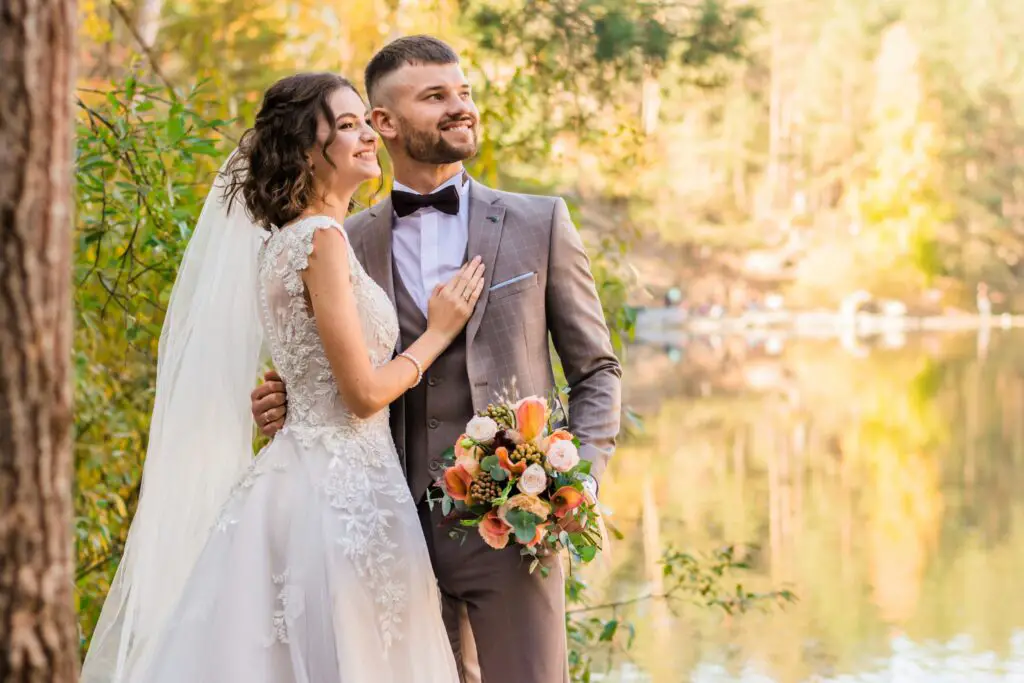
A *sustainable wedding* isn’t about giving up beauty or romance—it’s about finding harmony between celebration and responsibility. At its heart, it’s about making intentional choices that minimize waste, conserve resources, and support ethical practices. Think of it as aligning your special day with your values. From the invitations and attire to the food and décor, every detail presents an opportunity to make a difference. The key is mindfulness: asking where products come from, how they’re made, and what happens after the big day. Couples today are saying goodbye to overconsumption and hello to conscious celebration. They’re working with local vendors, choosing venues that prioritize energy efficiency, and even offsetting their carbon emissions. Sustainability in weddings is also about people—it promotes fair wages, supports small artisans, and fosters a sense of community. The result? Events that are not only stunning but meaningful. When love and sustainability meet, the memories last longer than the waste ever could.
Eco-Friendly Wedding Planning
Planning a sustainable wedding starts with a mindset shift—it’s about quality over quantity and intention over extravagance. The venue is often the biggest factor in a wedding’s environmental impact. Choosing a green-certified venue or an outdoor space like a botanical garden, beach, or vineyard can drastically reduce energy use. Local venues mean fewer travel emissions for guests and vendors. Speaking of travel, reducing distance between the ceremony and reception or offering group transport helps minimize carbon output. Next comes digital invitations, which are not only chic and customizable but save trees and ink. If you prefer something tangible, opt for recycled paper or plantable seed invitations that grow wildflowers afterward. Sustainability also extends to planning tools—online checklists, e-contracts, and cloud storage keep things paper-free. Couples are even working with planners who specialize in eco-conscious events, ensuring every detail—from lighting to waste disposal—follows sustainable principles. Ultimately, planning an eco-friendly wedding isn’t about perfection—it’s about progress. Each conscious choice adds up, creating a celebration that feels good in every sense.
Sustainable Fashion and Attire
Bridal fashion is getting a serious green makeover, and it’s about time. Traditional wedding attire often involves fabrics that take massive amounts of water to produce and are worn only once. But modern brides and grooms are rewriting the rules. Sustainable bridal wear includes everything from renting or buying pre-loved gowns to choosing designers who use organic, recycled, or cruelty-free materials. Some brides are upcycling vintage dresses or even re-styling family heirlooms—a beautiful way to honor the past while protecting the planet. Ethical brands are using fabrics like peace silk, organic cotton, and bamboo, which are gentle on the earth. Grooms are also stepping up with eco-friendly suits that can be worn again, made from natural fibers or sourced from responsible tailors. Accessories and shoes follow the same principle—think locally made jewelry or vegan leather footwear. And it’s not just about what you wear on the big day; it’s about rewearability. Many brides now choose elegant, versatile designs that can be altered or dyed for future occasions. Because let’s be real—why should love last forever if your dress doesn’t?
Eco-Conscious Décor and Design
Décor is where creativity meets conscience, and sustainable weddings prove that eco-friendly can still be stunning. One major trend is renting instead of buying. From linens and tableware to lighting and furniture, rentals eliminate waste and cut costs. Floral design is another area ripe for rethinking. Instead of imported, pesticide-heavy flowers, couples are embracing locally grown blooms, seasonal arrangements, and even potted plants that can be replanted later. Dried flowers and greenery offer long-lasting charm without waste. Décor made from natural materials—wood, jute, glass, and fabric—adds organic beauty while avoiding plastics. Candles made from soy or beeswax and reusable signage crafted from reclaimed wood are popular eco-chic touches. Some couples even take it further by working with zero-waste stylists who design entire events with reusable elements. After the ceremony, décor can be donated to charities, repurposed for other events, or given to guests as keepsakes. The goal is simple: to celebrate love without leaving a trail of single-use leftovers. Sustainable décor proves that elegance doesn’t need excess—it thrives in creativity and intention.
Sustainable Catering and Beverages
Food is the heart of every celebration, but it’s also one of the biggest contributors to wedding waste. A sustainable menu focuses on local, seasonal, and organic ingredients. By working with nearby farmers, caterers can reduce transportation emissions and serve fresher dishes. Farm-to-table dining isn’t just trendy—it’s delicious and responsible. Minimizing food waste is another major focus. Smart portion planning, composting leftovers, or donating surplus food ensures nothing goes to waste. Many couples are now embracing plant-forward menus, highlighting vegetables, legumes, and grains while keeping meat and dairy portions moderate. Not only is it better for the environment, but it’s also healthier and just as flavorful. Drinks deserve the same attention. Eco-friendly bars feature organic wines, local craft beers, and cocktails mixed with herbs and fruits grown nearby. Even water stations are replacing bottled water, cutting down on plastic. The result? A wedding feast that nourishes the body, delights the senses, and respects the planet. After all, what’s more romantic than toasting love with a clean conscience?
Ethical Rings and Jewelry
Jewelry carries deep emotional significance, but the traditional diamond trade often comes with ethical and environmental baggage. Today’s couples are opting for conflict-free and lab-grown diamonds, which offer the same sparkle without the destructive mining process. These lab-grown gems are chemically identical to natural ones but produced under controlled, eco-friendly conditions. Another popular choice is recycled metals, which prevent the need for new mining and reduce waste. Some jewelers even offer trade-in programs or custom designs using heirloom pieces, giving old jewelry a new life. It’s not just about diamonds either—many couples are exploring alternative gemstones like moissanite, sapphires, and emeralds from ethical sources. Supporting small artisans and transparent supply chains ensures that every piece tells a positive story. The engagement ring and wedding bands symbolize eternal love, and it feels even more meaningful when they’re crafted with integrity. Choosing ethical jewelry is a beautiful reminder that love should never come at the expense of the planet or its people.
Sustainable Guest Experience
Guests play a big role in a wedding’s environmental footprint, and thoughtful planning can make their experience greener too. Transportation is a major factor—carpooling, shuttle buses, or encouraging train travel helps reduce emissions. For destination weddings, couples can choose eco-friendly resorts that prioritize renewable energy and waste management. Guest favors are another area ripe for change. Instead of trinkets that end up forgotten, couples are gifting useful, meaningful items like potted plants, reusable water bottles, or charitable donations made in guests’ names. Digital photo sharing is replacing printed albums, saving paper while keeping memories just a click away. Even accommodation choices matter—suggesting local eco-lodges or hotels with green certifications supports sustainability. Guests appreciate when their experience feels purposeful, not just pretty. Every small gesture—from compost bins at the reception to refillable water stations—shows that love for the planet was part of the plan. Sustainable weddings create a ripple effect, inspiring guests to rethink their own celebrations. When people leave saying “that was beautiful and meaningful,” you know you’ve done it right.
Green Vendors and Partnerships
The vendors you choose can make or break your sustainability goals. Thankfully, more professionals are embracing eco-conscious practices, making it easier for couples to stay green. Eco-friendly florists, for instance, use foam-free arrangements and source from organic farms. Photographers can go digital, use rechargeable batteries, and print only on recycled paper when needed. Caterers who compost, source locally, and avoid single-use plastics align perfectly with sustainable values. Even planners now specialize in zero-waste weddings, managing everything from logistics to recycling systems. The key is transparency—don’t hesitate to ask vendors about their sustainability policies or certifications like Green Wedding Alliance or B Corp. Collaboration is powerful too. When multiple eco-minded vendors work together, it creates a seamless, green chain of operations. Supporting local businesses not only reduces shipping emissions but also strengthens community ties. By choosing vendors who share your values, you’re not just planning a wedding—you’re investing in a better future for the industry as a whole.
Challenges of Planning a Sustainable Wedding
As rewarding as it is, planning a sustainable wedding isn’t without hurdles. One common misconception is that going green costs more. While some eco-friendly options can seem pricier upfront—like organic food or sustainable fabrics—they often balance out through savings elsewhere, such as reduced waste or rentals instead of purchases. Another challenge is availability. Depending on location, finding ethical suppliers or venues might take extra research. Then there’s the emotional side—family traditions or expectations can clash with sustainability goals. Some guests might question the simplicity of a plant-based menu or the choice of digital invites. Education and communication are key here; explaining your reasons often inspires understanding and even admiration. Finally, beware of greenwashing, where vendors falsely claim to be sustainable. Always verify certifications and practices before committing. Despite these challenges, the benefits outweigh the effort. Each eco-conscious choice sends a message of care, love, and awareness. After all, true romance isn’t about extravagance—it’s about authenticity, and sustainability fits that perfectly.
Trends Shaping the Future of Sustainable Weddings
The future of weddings looks brighter—and greener—than ever. The rise of micro-weddings and elopements has already reduced waste and spending, allowing couples to focus on experiences rather than extravagance. Carbon-neutral ceremonies are becoming increasingly common, with couples offsetting emissions from travel and catering through reforestation programs. Eco-honeymoons are also trending, with destinations offering voluntourism opportunities or nature restoration experiences. Technology will continue to drive sustainability—expect virtual reality venue tours, AI-assisted planning, and digital gift registries that promote experiences over stuff. Fashion is moving toward circular design, where garments are designed to be reworn, rented, or recycled. Décor trends lean toward minimalist, nature-inspired aesthetics that reflect mindfulness rather than opulence. Most importantly, sustainability storytelling—where couples share their eco-journey online—is helping normalize these choices. It’s inspiring, relatable, and contagious. As awareness spreads, sustainable weddings will no longer be the exception but the gold standard. Love, after all, should be timeless—and that includes the planet we celebrate it on.
Conclusion
A sustainable wedding is more than an event—it’s a statement. It’s proof that love can be celebrated without compromising the Earth’s well-being. Every detail, from the venue to the vows, becomes an act of mindfulness and purpose. This movement isn’t about perfection; it’s about progress and authenticity. When couples choose to align their celebration with their values, they create something powerful—a day that reflects not just who they are, but the world they want to live in. The future of the wedding industry lies in creativity, compassion, and conscious choices. And the most beautiful part? These green weddings still have all the magic, joy, and romance you could ever dream of—just with a lighter footprint and a deeper meaning.
