
Today’s planet faces a set of interlocked crises: desertification, climate change, and loss of biological diversity. None of these problems sit in isolation; each works with the others, magnifying their effects on people and nature alike. To protect ecosystems that sustain us-and the communities that rely on them-we must grasp how spreading deserts worsen greenhouse-gas levels and drive species decline.
Desertification, at its core, is the gradual breakdown of land in dry regions already struggling for moisture, and that breakdown usually stems from overgrazing, poor ploughing, deforestation, or extreme drought. When once-productive soils turn to sand, the damage reaches far beyond battered fields; reduced plant cover releases stored carbon, damages local weather, and robs countless creatures of habitat. Because those losses circle back to heat the planet and dry out forests and farms elsewhere, attempts to fight climate change or conserve life must address land degradation in tandem, not one in exile from the others.
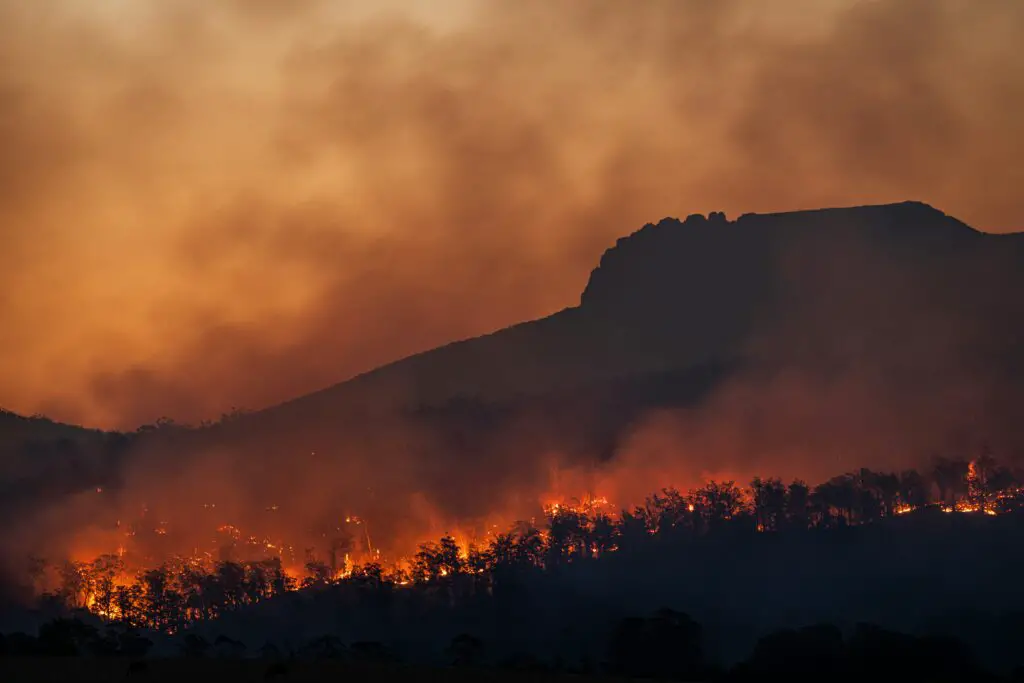
Desertification and Its Wide-Ranging Implications
Desertification challenges societies on every continent because its fallout reaches far beyond disappearing crops. Dryland communities, stripped of reliable harvests, lose income, food, and sometimes the will to stay where they were born. Simultaneously, important ecosystem functions such as soil formation and water cycling begin to falter. This local deterioration in turn reverberates through wider systems, disrupting weather patterns and altering the global carbon cycle.
Key Mechanisms of Desertification
- Loss of Vegetation Cover: Unsustainable grazing, poor cropping, and careless water use remove the plants that anchor and shade the soil.
- Soil Erosion: Without a protective canopy, loose topsoil becomes fast food for wind and rain, all but wiping out future productivity.
- Reduced Soil Fertility: Ongoing nutrient removal plus rising salinity turn once-fertile ground into barren seams of earth.
- Altered Water Resources: Wasteful irrigation and over-pumping shrink aquifers and poison rivers, leave still-green patches thirsting for lifeblood.
As these forces gain momentum, dryland ecosystems slide into a self-reinforcing spiral of decline. That loss of vitality is the heart of desertification. in turn accelerates climate change and chips away at the biodiversity on which all life depends.
Linking Desertification, Climate Change, and Biodiversity Loss
The connections that tie desertification to global warming and the decline of species hinge on how land management, soil loss, and changes in plant cover either support or undermine the Earths environmental balance. Examining those links requires looking at the imprint desertification leaves on carbon and water cycles and the cohesion of local animal and plant communities.
The Carbon Connection
Desertification has a pronounced impact on the worldwide carbon cycle:
- Reduced Carbon Sequestration: Soils in dry regions store a large share of the worlds carbon, mostly locked in organic matter and the tangled roots below the surface. When these areas are degraded, their power to sequester carbon drops sharply.
- Carbon Release: With plant cover gone and soil stripped away, carbon that once stayed buried escapes into the atmosphere. Studies show that damage to drylands adds a significant chunk to annual greenhouse gas totals, speeding the warming it helps cause.
- Feedback Loops: Fewer living plants mean less carbon dioxide is soaked up, letting temperatures climb even higher. In turn, rising heat alters rainfall patterns, pushing drylands closer to full desert state and keeping the cycle in motion.
In straightforward terms, hotter, drier conditions tend to strip away plant cover. That loss allows more carbon stored in soil and roots to escape, accelerating global warming. At the same time, a warmer atmosphere super-charges evaporation and leaves semi-arid regions even more vulnerable to record droughts and violent storms.
THE WATER CONNECTION
Desertification and climate change collide most visibly through their shared pressure on water. Freshwater availability shrinks as higher temperatures speed evaporation across drylands. When plants die or retreat, the thin, naked ground cannot hold moisture or replenish shallow aquifers.
On top of that, shifting rainfall patterns become another heavy blow. Climate models predict longer dry stretches broken by brief, torrential showers. Degraded soil lacks the crumbs and pores that absorb slow, gentle rain, so most water races away as runoff, carrying nutrients with it and denying rivers a steady pulse.
These drought-flood cycles pile extra stress on plants and animals. Species are forced to disperse or die of thirst, shrinking the genetic soup that keeps ecosystems resilient and adaptable.
THE VEGETATION CONNECTION
Vegetation sits at the heart of both halting desert spread and defending biodiversity. When dry winds tear away grasses and shrubs, entire habitats fragment or vanish. In turn, creatures that depend on specific plants for cover, seeds, or insects find themselves adrift, often with lethal consequences.
Left unprotected, soil bakes into hard crusts, dust storms carry away top layers, and carbon sinks become carbon sources. Replanting native species, retentive soil practices, and careful water-management can reverse the cycle, but success demands concerted policy, on-the-ground science, and long-term public support.
Academics, governments, and local communities must share knowledge, resources, and responsibilities, because a future of secure watersheds, resilient farms, and thriving biodiversity hinges on choices made today in desert margins and city boardrooms alike.
Reduced Species Interactions. When native plants vanish, the pools of nectar and seed available to pollinators shrink, disrupting the work of insects and birds that shape fruit and seed set for countless other species across the area.
Invasions and Imbalances. Vacant niches in disturbed habitats let hardy invaders spread quickly. Though newcomers may blanket the ground with green, they usually lack the variety or resilience of the original plant community and therefore provide fewer pathways for wildlife and ecological stability.
Consequences for Human Well-Being
The links among desertification, changing climate, and vanishing species bite straight into daily life. Households in dry regions depend on gardening, dry-crop farming, or mobile herding to keep their people fed. As topsoil washes away and wells standby nearly empty, many families rotate their fields to high-pressure sprinklers or simply move in search of pasture and rain.
Socioeconomic Ramifications
- Food insecurity grows when core cereals fail to fill bins and pastures grow brittle, leaving towns and villages short of basic calories. Children, the elderly, and urban poor feel this most during extended dry spells.
- Economic pressures deepen when people rely on neighbour markets for grain or fodder, a setup that makes them prey to shifting prices. Poverty tightens the grip of low rainfall: desperate owners over-graze the last herb and cut wood almost to the ground, speeding up the same spiral that turned a green landscape into desert.
- Mass Migration: When farmland turns to dust, people leave their land and seek safety in nearby cities or even other countries. The sudden arrival of new residents can spark tensions and stretch roads, clinics, and schools beyond their limits.
- Public-Health Risks: Dust storms from expanding deserts fill the air with particles that sting lungs, worsening asthma and other breathing problems. Long dry spells also ruin harvests, forcing families to drink tainted water and eat less, which spreads cholera, diarrhea, and other hygiene-related diseases.
- Biodiversity losses make these problems worse by reducing pollinators, natural pest-eaters, and plants long used for cheap medicine. At the same time, climate change adds surprise storms, rising heat, and erratic rains, closing off options for escaping deepening poverty.
Coordinated Action for Mitigation
Because desertification, shifting weather, and falling biodiversity feed on each other, fixing only one piece will never break the cycle for good. A broad set of local and national policies that treat the links as a single crisis is the only way to build lasting resilience.
Collaborative Strategies
- Integrating the separate treaties that guide dryland recovery, climate action, and species protection could turn small wins into a bigger victory. For example, replanting trees under all three plans would trap carbon, shelter wildlife, and guard soil, creating a chain reaction of benefits
- Holistic Land and Water Management: Coordinated land-use planning that considers both immediate gains, such as food production, and enduring goals, such as soil health, strengthens ecosystem resilience over time.
- Sustainable Pastoralism and Agriculture: Rotating livestock, capturing seasonal rainfall, and integrating trees on farms slow desert spread, nurture soil organic matter, and secure habitats, thus aiding both biodiversity and climate stability.
- Community Participation: When local people help shape and implement strategies, proposed actions reflect regional expertise and are far more likely to succeed and endure.
- Alternative Livelihoods: Targeted support for ecologically sound tourism, artisanal crafts, and other non-farm jobs eases reliance on vulnerable landscapes and spreads income across seasons.
- Coordinated programs that link climate, biodiversity, and land objectives cut overlap, streamline data collection, and yield clearer risk maps, all of which improve timely, evidence-based adaptation.
Conclusion
Desertification, climate change, and biodiversity loss are three names for the same underlying trouble. Drylands, which are first in line when the land turns barren, show that trouble more plainly than anywhere else. Rising temperatures and declining plant and animal variety feed off one another in these regions, making poor soil, failing harvests, and broken ecosystems far worse than any of the three would be on its own.
Beating that triple threat will not be easy, yet waiting will make it harder, not easier. If governments, scientists, and local communities pool knowledge and adopt farm-friendly water rules, stronger forests, and shared carbon goals, desert lands can still heal. Protecting soils, slowing heat, and keeping species present are linked chores, and doing them together gives people and nature a better shot at tomorrow.
