
Desertification ranks among the most pressing environmental crises of our time, jeopardizing the security and health of tens of millions worldwide. Simplifying a complex process, researchers agree that it marks a lasting decline in dryland ecosystems ability to yield crucial goods—food, fodder, clean water, and firewood—for communities that inhabit those often marginal landscapes. When arid, semi-arid, and dry-subhumid lands are overgrazed, plowed too often, or stripped of vegetation, a damaging feedback loop emerges: eroded soil, falling harvests, harsher droughts, and eventually land so depleted that cultivation becomes nearly impossible.
Pinpointing the people who bear the brunt of this spiral is vital if governments, NGOs, and local groups hope to craft solutions that stop further degradation and give families a genuine chance to prosper. To that end, this article examines the demographics most exposed to creeping desertification, shows how entrenched poverty deepens their risk, and outlines wider repercussions—economic, social, and even political—that ripple far beyond the dust-blown fields.
Defining Desertification and Drylands
Drylands make up a staggering 41 percent of the planet’s land surface, a figure that reminds us how much of the world already operates under a delicate balance. Classified by low rainfall, high evaporation, and chronically limited moisture, these landscapes fall into four practical groups: hyper-arid, arid, semi-arid, and dry subhumid. Together, they sustain more than two billion people, most of whom depend directly on what their parched environment can still yield. Because water is so scarce, farming is never risk-free; harvests fluctuate from season to season, and incomes that seem secure one year can quickly shrink the next. Households therefore lean on local plants, animals, and soil, waiting nervously for good rains and fearing any blow that strips away ground cover or weakens the earth beneath their feet.
Why Drylands Matter
Although they sound marginal, drylands in fact underpin global food security in ways that often go unnoticed. These regions give livestock space to roam, cereals the warmth they sometimes need, and wild plants still harvested by children and elders alike. The hardy scrub and grasses that remain do much more than survive; they hold sand particles in place, cool the air, and trap carbon that might otherwise drift into the atmosphere. On top of that, centuries-old music, festivals, and exchange networks have grown around migrating herds or seasonal fields. If desertification sweeps across these linked pillars-soil health, food production, cultural resilience-the shock is felt first as bruised harvests, earlier droughts, and emptied larders, but it quickly broadens into lost markets and restless communities.
Populations Most at Risk
Desertification threatens nearly every continent except Antarctica, yet the process unfolds differently from one location to the next. Local climate, land-management choices, and prevailing economic conditions together shape how quickly and deeply the ground deteriorates. Although anyone in a vulnerable zone can feel the pain of losing productive land, some groups suffer far more acutely.
Dryland Communities
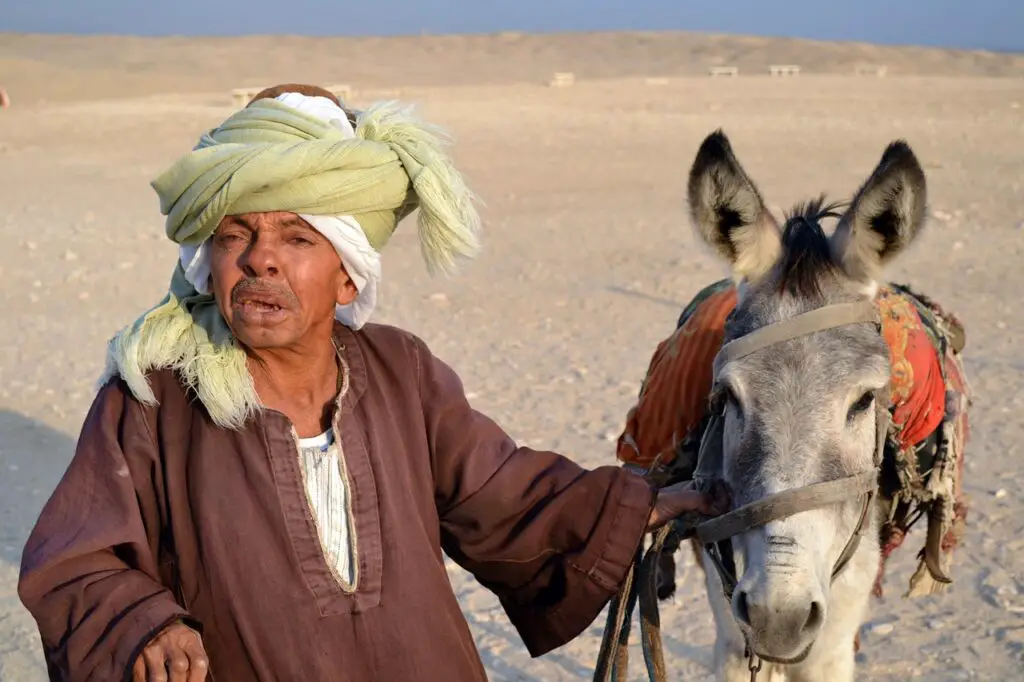
People who live in drylands base their survival on healthy pastures, fields, and wild plants. Unlike city dwellers or industrial centres that can import foods and diversify income, rural households in arid and semiarid areas often lack other options when drought strikes and soil gives way.
They are especially exposed for several reasons:
- Dependence on local food: When fertility drops or water disappears, crop yields and herd size fall almost overnight.
- Weak infrastructure: Bad roads, few clinics, and limited markets keep these settlements cut off from help and opportunity.
- Official indifference: Farmers and herders in marginal landscapes are frequently brushed aside in discussions about land rights, budget priorities, and aid programmes.
Many of these communities have long histories of adapting to harsh conditions, employing strategies like transhumance-moving livestock seasonally-traditional water-harvesting techniques, and close monitoring of grazing pressure. Yet, intensifying land pressures, rapid population growth, and broader economic changes can weaken these adaptations, leaving inhabitants increasingly vulnerable.
The Role of Poverty
Poverty intertwines with desertification in a cycle that can be hard to break. Communities with limited financial resources cannot easily invest in sustainable land-management practices or technologies. In turn, the pressure to meet immediate survival needs can lead to:
- Overgrazing by livestock (when herds are large and rangeland is stressed).
- Excessive withdrawal of groundwater (beyond natural recharge rates).
- Conversion of fragile rangeland into cropland even in places that lack sufficient water.
The link between poverty and desertification is particularly acute in developing countries, where economic and infrastructural constraints are more pronounced. These constraints often include:
- Insufficient access to capital for improving irrigation, introducing drought-tolerant crops, or rehabilitating degraded land.
- Little or no social safety nets, pushing vulnerable families to overexploit what few resources remain.
- Limited institutional support, including lack of effective and locally informed governance to guide land-use decisions.
Broader Geographic and Global Effects
Desertification may look like a problem that starts in one patch of parched land, yet its fallout spreads well beyond the drylands.
Regional Consequences
Dust Storms and Air Quality Once shrubs and grasses vanish, loose soil is free to ride the wind. Massive clouds of dust roll across borders, cutting visibility, irritating lungs, and drifting hundreds of kilometers to settle where people had thought themselves safe.
Flooding and Soil Erosion With roots no longer binding earth, sudden downpours trigger flash floods that strip hillsides. Exposed sediment washes downstream, choking rivers, raising the risk of dam failures, and reshaping wetlands far from the origin.
Food Security Challenges Lower harvests prompt farmers to export less or charge more, rippling through neighboring markets and eventually raising prices from Buenos Aires to Beijing.
Global Consequences
Climate Change Feedbacks Dry ecosystems store more carbon than many realize. When they crumble, stored carbon escapes, giving an extra push to greenhouse-gas levels that already threaten everyone on the planet.
Threat to Public Health Dust carried by transcontinental winds has been linked to asthma, cardiovascular disease, and even harm to distant coral reefs, reminding the world that local soil loss can trigger global health costs.
Economic Refugees: When local livelihoods collapse, people migrate. This often results in unplanned urban expansion, possibly leading to housing shortages and social tensions in the receiving areas.
Socioeconomic Challenges
Those confronting desertification live under a steady environmental threat, yet the soil crisis sits alongside tangled economic, political, and cultural obstacles that lock families into hardship.
Human Migration
The push factors leading people to leave desertifying areas include:
- Loss of arable land; as nutrients erode and water dries up, fields no longer feed the household.
- Increased exposure to climate shocks; lengthening droughts leave families little choice but to pack up.
- Search for opportunities; the promise of a job in a city lures many from dwindling rural prospects.
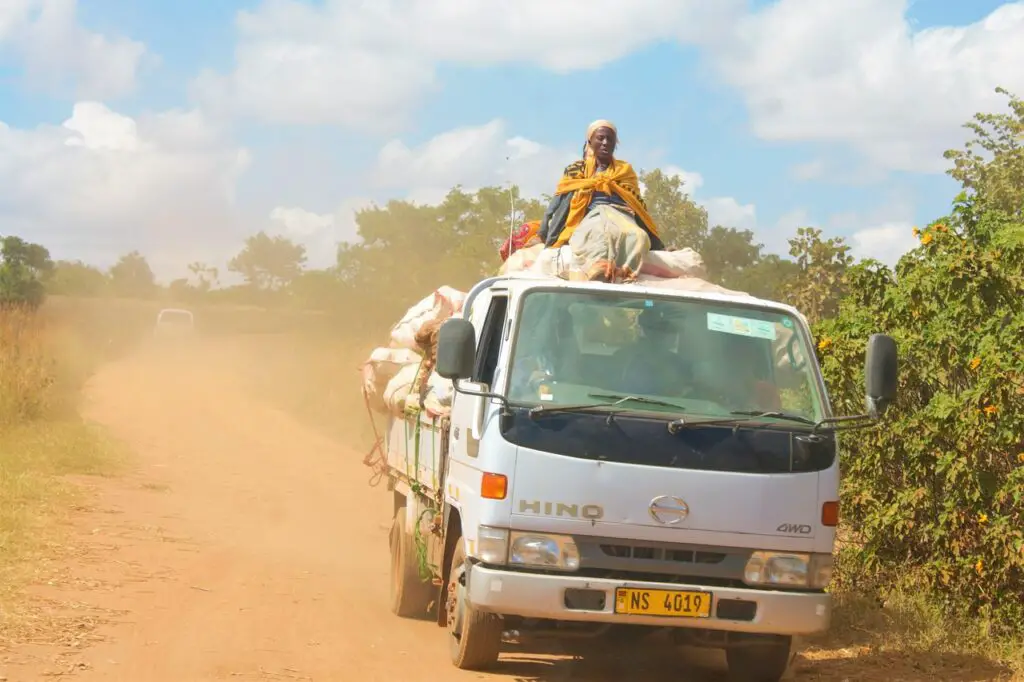
- Migration brings its own hardships. Newcomers usually accept low-paid, irregular work, settle into makeshift housing, and face prejudices that mark them as outsiders. Though sound planning migration corridors, upgraded transport, and basic utilitiescould cushion these blows, such public investment is all too rare.
Political and Economic Instability
Desertification acts as a threat multiplier, worsening tensions within communities, among tribal groups, and even between nations. Key pathways include:
- Competition over Limited Resources: As water and arable land dwindle, clashes often erupt between farmers and herders or among states sharing rivers.
- Weak Governance: Fragile institutions that cannot mediate shortages or enforce property rights allow local disputes to snowball into wider unrest.
- Reliance on External Aid: Repeated crop failures push households to lean on foreign assistance. While lifesaving, unchecked aid risks a cycle of dependency unless paired with long-term solutions such as improved irrigation and soil management.
Conclusion
Desertification touches people’s lives in deep and wide-reaching ways, especially for those in arid, semi-arid, and dry subhumid zones already short on resources. Pastoralists and small-scale farmers in these landscapes depend on fragile ecosystems that are buckling under heat and poor rainfall. Compound that with poverty and weak local institutions, and day-to-day survival becomes a high-stakes gamble. When families finally leave in search of better grounds, they break community ties at home, and thick dust clouds, erratic storms, and declining carbon sinks harm public health hundreds of miles away.
Confronting the problem calls for early, low-cost actions; stronger local governance; and creative, science-based land-use techniques tuned to each setting. It also demands political courage, whether that shows up as new jobs in at-risk areas, or as roads and solar wells built with residents, not over them, in mind. By mapping who suffers and how every layer connects, we can craft plans that stop the slide and open the door to fair, lasting development.
